NOTICE  Our website is currently being updated. Missing any information? Please do not hesitate to contact us directly or via the contact form.NOTICE  Website update in progress.Contact us
fteu® Electrolysis Screens

Electrolysis Screens

Screens in permeable metal for electrolysis – electric conduction combined with free gas and liquid flow.

fteu® Electrolysis Screens combine electric conduction with free flow of gas and liquid: homogeneous current conduction across precise cross-sections, target resistance through custom patterns and conductivity through the right alloy. As mesh and expanded metal electrodes, elastic elements and porous transport layers they are at the heart of alkaline, PEM, AEM and chlor-alkali electrolysers.

  • Homogeneous current conduction across precise cross-sections
  • Target resistance and conductivity through pattern and alloy
  • Free gas and liquid flow – fast gas release
  • Nickel, titanium and coated variants up to approx. 2 m wide

Compatible with machines and systems from thyssenkrupp nucera · Siemens Energy · Cummins (Accelera) · Asahi Kasei · Enapter*

Also known as electrolysis screen · electrolysis mesh · electrolyzer mesh · electrolyser mesh · mesh for electrolysis · electrode mesh · mesh electrode · nickel mesh electrode


Technical data

Electrolysis Screens at a glance.

Our standard range – other dimensions and structures on request.

MaterialsNickel (2.4060, 2.4066), titanium, Inconel 600, Hastelloy C22, stainless steel; catalytic coatings
Filtration gradeMesh and expanded metal geometry to current and gas management
DimensionsWidths up to approx. 2 m; cell formats to drawing
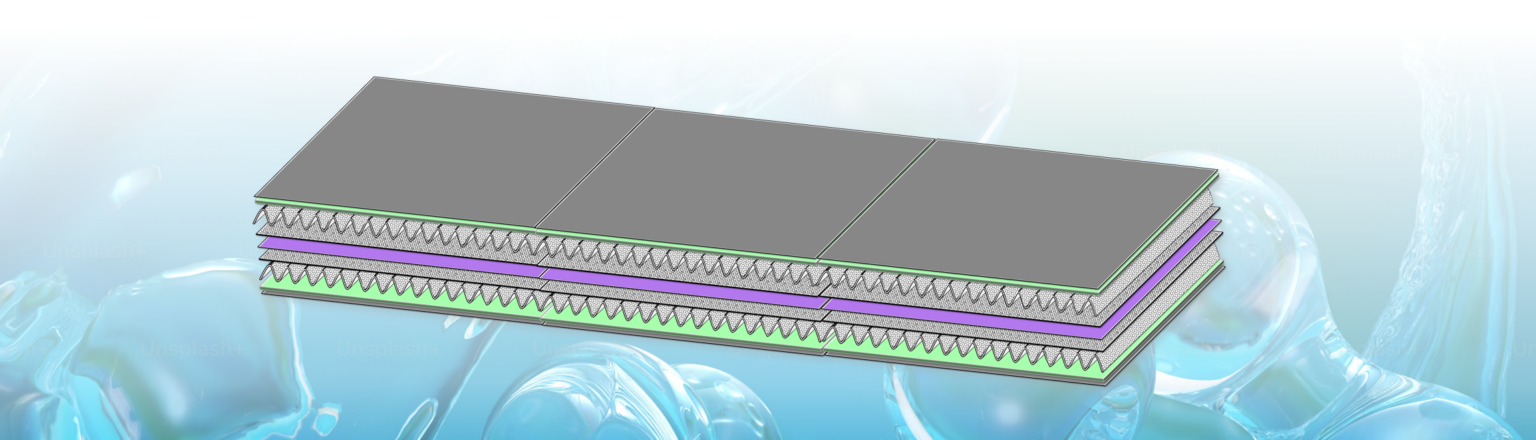
Layers / structureSingle or multi-layer mesh, expanded metal, metal fibre felt, elastic elements
Edge / connectionFramed, welded into electrode packages
Operating limitsAlkaline and acidic electrolytes; SOEC contact meshes up to approx. 800–900 °C

Permeable metal

Every fteu® product starts with the right permeable metal structure. Explore permeable metal →

Applications

Where Electrolysis Screens work.

Main industries, machines and the job the product does there – open an application for details.

MiningHydrogen & Electrolysis
01Alkaline water electrolysis (zero-gap)Compatible with thyssenkrupp nucera*
Industries
Hydrogen & Electrolysis · Chemical · Energy
Machines & equipment
Bipolar alkaline electrolyser stacks in filter-press design with zero-gap cells. Compatible with systems from thyssenkrupp nucera*.
Role in the process
Nickel mesh electrodes and substrates conduct current and release gas; elastic elements press the electrodes against the diaphragm.
Technical notes
Nickel 2.4060 / 2.4066; mesh widths up to approx. 2 m; coated if required.
02PEM water electrolysisCompatible with Siemens Energy, Cummins (Accelera)*
Industries
Hydrogen & Electrolysis · Chemical · Energy
Machines & equipment
PEM electrolyser stacks: bipolar plate, anode transport layer, membrane electrode assembly. Compatible with systems from Siemens Energy, Cummins (Accelera)*.
Role in the process
Titanium transport layer on the anode side conducts current, feeds water and removes oxygen.
Technical notes
Titanium metal fibre felt, sintered powder or mesh; coated (e.g. platinum or iridium) for low contact resistance.
03Chlor-alkali membrane electrolysisCompatible with thyssenkrupp nucera, Asahi Kasei*
Industries
Hydrogen & Electrolysis · Chemical
Machines & equipment
Bipolar membrane electrolysers and single-element electrolysers. Compatible with systems from thyssenkrupp nucera, Asahi Kasei*.
Role in the process
Expanded metal and fine mesh anodes (titanium) and woven nickel cathodes with elastic elements.
Technical notes
Titanium anodes with coating, nickel cathodes; zero-gap design.
04AEM electrolysisCompatible with Enapter*
Industries
Hydrogen & Electrolysis · Energy
Machines & equipment
AEM stacks and containerised systems. Compatible with systems from Enapter*.
Role in the process
Transport layer and current collector between catalyst layer and bipolar plate.
Technical notes
Nickel felt, nickel or stainless steel fibre layers, nickel mesh.
05HCl and oxygen-depolarised cathode electrolysisCompatible with thyssenkrupp nucera*
Industries
Hydrogen & Electrolysis · Chemical · Plastics
Machines & equipment
HCl and NaCl electrolysers with oxygen-depolarised cathodes. Compatible with systems from thyssenkrupp nucera*.
Role in the process
Metal mesh as current distributor and support.
Technical notes
Corrosion-resistant alloys.
06CO2 and co-electrolysis
Industries
Hydrogen & Electrolysis · Chemical · Energy
Machines & equipment
CO2 electrolysis cells with gas diffusion electrodes.
Role in the process
Mesh as current collector and gas diffusion support.
Technical notes
Nickel or titanium mesh.
07Electroplating and electrowinning
Industries
Mining · Chemical · Automotive
Machines & equipment
Plating baths with anode baskets, electrowinning cells.
Role in the process
Titanium anode baskets and permeable cathodes.
Technical notes
Titanium; acid resistance.

* Brand names belong to their respective owners. We supply compatible products and are not affiliated with these manufacturers.

Configurations

Built for your system.

We build the structure your process needs – to drawing, sample or specification.

Nickel mesh electrode

Single or multi-layer, optionally coated.

Expanded metal electrode / current distributor

Nickel, titanium or stainless steel.

Elastic element

Spring mesh or coil cushion for zero-gap cells.

Embossed nickel mesh

With deformable dimples for spring-free zero-gap designs.

FAQ

Questions about Electrolysis Screens.

Short answers to what customers ask us most.

What are electrolysis screens?

Mesh, expanded metal and fibre structures that conduct current in electrolysis cells while letting electrolyte, water and gas flow freely.

Which materials are used?

Nickel (e.g. 2.4060 / 2.4066) for alkaline and chlor-alkali cathodes, titanium for PEM anodes and chlor-alkali anodes, plus Inconel, Hastelloy and coated variants.

What is an elastic element?

A resilient mesh structure behind the electrode that presses it evenly against the membrane in zero-gap cells and compensates tolerances.

Which sizes are possible?

Mesh widths up to approx. 2 m; electrode and element formats to your cell design.

Send us your drawing or sample.

We make your Electrolysis Screens to fit – from a single piece to series.

Request a quote